
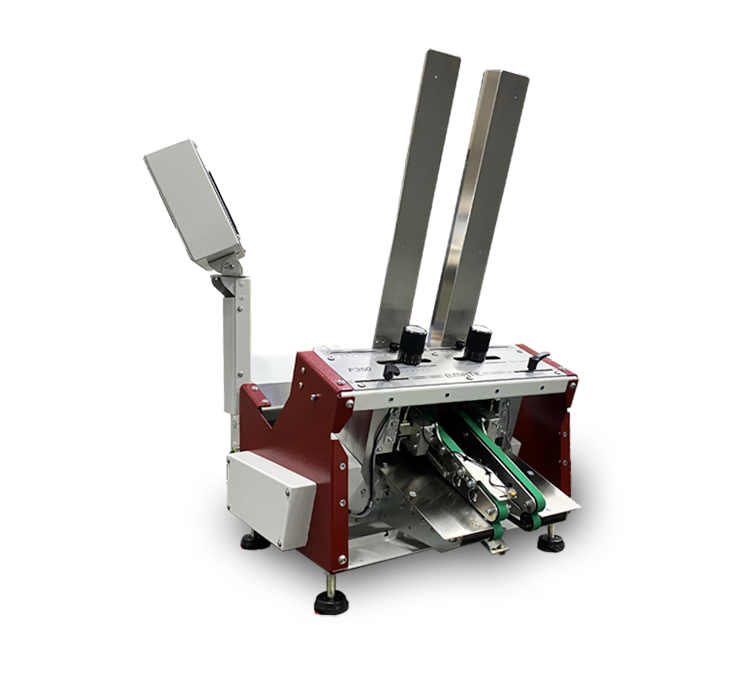
When counting bank and ID cards, not all technologies count the stack the same way—especially when the cards are black-pigmented or transparent.
Optical counting machines, like those offered by most counting-card machine manufacturers, rely on light contrast. They “see” a stack of cards by detecting the bright edge of the stack and the shadows produced between individual cards. This works well with brighter, opaque materials, but dark or translucent cards do not reflect light as well. The result? Reduced contrast, inconsistent shadow definition, and a higher chance of miscounts.
Friction feeder counting machines take a different—and often superior—approach for translucent and black cards. Instead of relying on light contrast, they physically separate and advance each card one at a time using controlled friction-feeding technology, such as that featured in B.Matic’s friction-feeders. Every card is counted as it moves through the feeder, regardless of color, finish, or opacity. Matte black, glossy black, transparent, or layered security pigments don’t change the counting and batching accuracy of our friction-feeders.
For manufacturers, fulfillment services, and service bureaus handling modern bank cards and IDs—where black, translucent, and dark designs are increasingly common—friction feeder counting machines offer clear advantages: consistent counting accuracy, higher reliability, and less sensitivity to card aesthetics. In short, when color or transparency stops optical systems from counting properly, friction feeders keep counting without missing a beat.
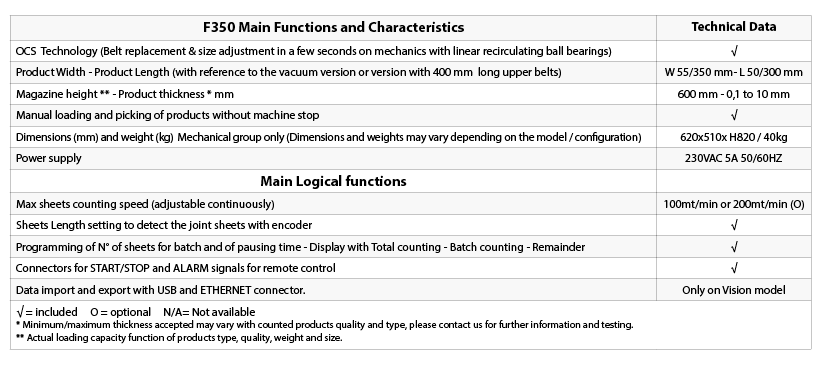
You can find valuable information about our friction feeders for bank and ID cards here:


 Graftec LLC